
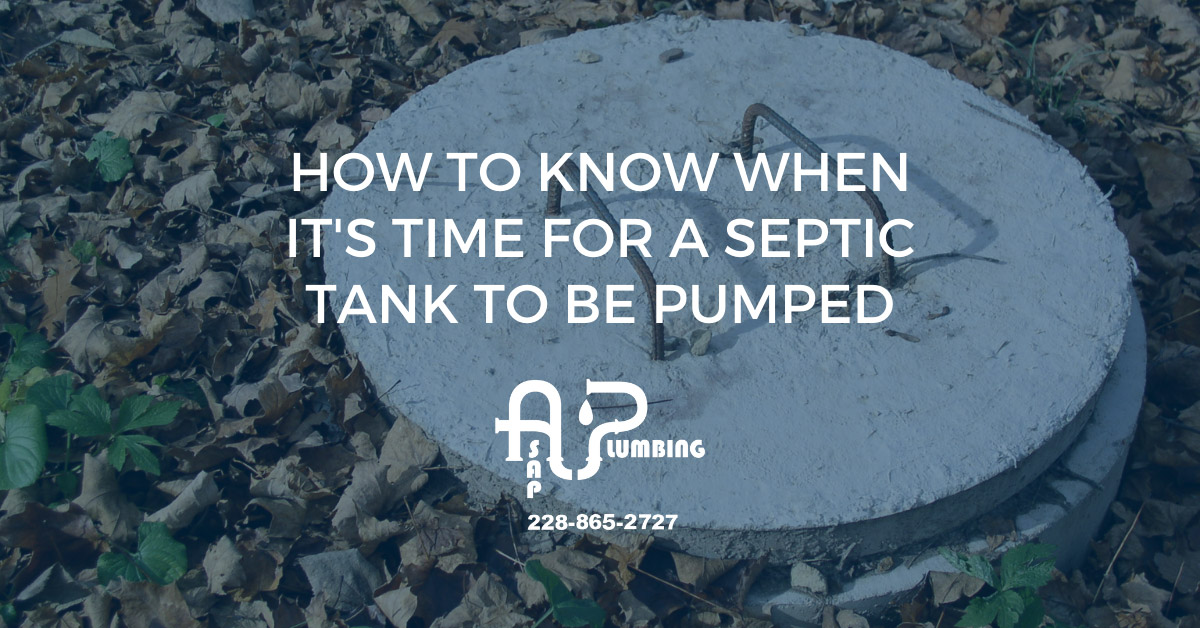
You probably haven’t seen it, but it is right below your eyes! We are talking about a septic tank as well-water homeowners. If you do not know what we are referring to, it is probably because you did not know it is located underground and around your property. And if you notice any of the following signs below, it is likely time for your septic tank to be pumped.
Noticeable Sludge Around Your Home
It is recommended that you keep up with septic tank maintenance every three to four years. Otherwise, you will begin to notice sludge and scum around the grounds of your home. This occurs because the sludge releases from inlet and outlet tees whereas the bacteria can break down a considerable amount, it will end up causing an overflow if too much solid waste is collected. For sanitary and safety reasons, it is best to keep up with the septic line maintenance.
Foul Smell
Any septic tank or sewer line requires maintenance to avoid foul smells throughout the years. Although the waste that is collected is natural, it should only be disposed of by a licensed and professional company that can benefit from it being recycled. Foul smell is by no means a good sign and should be pumped out.
Becomes Clogged
Leaving a sewer line repair without any mind can lead to a no-good cloggy mess. This occurs in the drain field and will worsen through time especially if harsh chemicals or flushing personal hygiene products are thrown down the drain. The goal of sewer tank maintenance is to keep proper drainage intact while allowing the good bacteria to stabilize the rest.
Begins to Leak
External water entry can cause the septic tank to leak. Some examples that cause this are excessive use of water waste, non-efficient water appliances and not testing out the plumbing system for leaks. Make sure you schedule sewer line maintenance and septic tank maintenance at least once a year to have it professionally inspected and ready to go.
Shuts Down
After all of these signs mentioned above have been exhausted, your septic will most likely shut down. While it is never a good thing, it is a clear indentation it is time for a sewer line repair. By ensuring you keep up with your septic tank maintenance and keep groundwater clean, you will save money in the long run rather than repairing it once it has reached its limit.
Pumping Frequency: What’s Actually Right for Your Household
The “every three to four years” guideline is a starting point, but the right pumping schedule for any specific home depends on several factors. The variables that matter most:
- Tank size. Larger tanks can go longer between pumpings than smaller ones. Most residential tanks are between 750 and 1,500 gallons
- Number of people in the house. A tank that supports six people fills up about twice as fast as the same tank supporting three
- Use of a garbage disposal. Disposals add solids to the tank and shorten the time between pumpings, sometimes by a year or more
- Water use patterns. Households that do a lot of laundry, run multiple showers or have soaking tubs send more water through the system
- Use of bleach and other harsh chemicals. These can kill the bacteria that break down solids, leaving more sludge behind
For a family of four with average use, every three years is often about right. A larger family with a disposal may need pumping every two years. A retired couple living alone might safely go five years. The right answer for your home is best determined by inspection.
What Actually Happens During a Pump-Out
If you’ve never had your septic tank pumped, knowing what to expect makes the appointment less mysterious. The process usually goes like this:
- The technician arrives with a vacuum truck and locates the tank’s access lid, which may need to be uncovered if it’s been buried
- They remove the lid and use a measuring tool to check the depth of sludge at the bottom and scum at the top
- If the levels confirm pumping is needed, they connect the truck’s hose and pump out the contents
- The interior of the tank is inspected for cracks, baffles, tees and any visible damage
- The tank is left mostly empty (a small amount of liquid is intentionally left to restart the bacterial process)
- The lid is sealed and the area is restored
- The technician provides documentation showing the date, the volume pumped and any observations
The whole process typically takes about an hour for a residential tank. Save the documentation. It can be useful for selling the home, for warranty purposes and for tracking the right pumping schedule going forward.
Habits That Extend the Time Between Pumpings
Septic systems do their job best when they’re treated gently. A few habits help:
- Don’t flush anything that isn’t toilet paper or human waste, even items labeled flushable
- Pour grease, cooking oil and food scraps in the trash, not down the drain
- Use bleach and other harsh cleaners sparingly. They kill the bacteria the tank relies on
- Spread out heavy water use, like running multiple back-to-back loads of laundry, across days rather than concentrating it
- Make sure the leach field stays clear of vehicles, heavy structures and water-loving plants
- Have an annual inspection between pumpings, especially for older systems
None of these are about making sacrifices. They’re just small adjustments that protect a system that’s expensive to repair and even more expensive to replace.
What to Do If You Miss a Pump-Out
If it’s been longer than recommended and you’re seeing warning signs, the right move is to schedule a pump-out promptly rather than wait for an actual backup. By the time waste comes back into the home or the leach field starts saturating, the cost of cleanup, repair or replacement climbs sharply.
An overfilled tank can also damage the leach field by sending solids out into the soakage area, where they clog the soil and reduce the field’s ability to filter water. A failed leach field is one of the most expensive septic problems to fix, often costing more than the original system. Pumping on schedule is the single best way to avoid that path.
Septic Considerations for Coastal Homes
Septic systems along the Mississippi Gulf Coast face conditions that affect performance and timing. The high water table common in lower-lying neighborhoods can flood the leach field during heavy rain, putting extra strain on the entire system. Sandy soil drains quickly but offers less filtration. Hurricane runoff can wash out portions of older systems and shift tanks underground.
For homes in Gulfport, Biloxi, Long Beach, Pass Christian, Ocean Springs and Bay St. Louis on septic systems, that means a few extra steps are worth taking:
- Have the system inspected after any major storm or flooding event
- Know where the access lid is so it can be located quickly during emergencies
- Pay closer attention to any soggy spots in the yard that show up after rain
- Consider an effluent filter on the outlet of the tank, which catches solids before they reach the leach field
None of these are deal-breakers for septic systems on the coast. They’re just smart maintenance practices that match the system to the local conditions.
If your plumbing needs to be repaired, contact ASAP plumbing today at 228-865-2727 or visit www.plumbinggulfportms.com and request a free estimate! We can handle all your plumbing needs including installation, repair and full water heater replacement.